If you want to make a strong impression in Wellesley’s spring market, waiting until the flowers bloom may already be too late. In a high-value market where presentation, pricing, and timing all matter, the sellers who prepare early often put themselves in a better position when buyer demand picks up. This guide walks you through how to get your Wellesley home ready for a spring sale, what to prioritize first, and how to avoid last-minute stress. Let’s dive in.
Why early spring prep matters in Wellesley
Wellesley is a premium housing market by almost any measure. According to U.S. Census QuickFacts for Wellesley, the town has an 84.0% owner-occupied housing rate, a median value of owner-occupied homes above $1.5 million, and a median household income above $250,000. Zillow’s Wellesley home value data also points to a market where quality presentation can carry real weight.
That matters because buyers shopping in Wellesley are often comparing polished homes in a narrow price band. When inventory is limited and expectations are high, details like condition, layout flow, and photo readiness can shape how your home is received from the moment it hits the market.
Timing also supports an earlier start. Zillow named Boston one of the strongest sellers’ markets in the country in its March 2025 market report, and Realtor.com reports that in high-demand metros like Boston, the spring market often begins in early to mid-March. In its 2026 metro timing data, the Boston-Cambridge-Newton area’s best week is March 8, 2026, with listing prices 8.7% above start-of-year levels and 25.6% more views per property than an average week.
Start before you want to list
A common mistake is treating listing day as the beginning of the process. In reality, your launch date is the finish line for cleaning, repairs, touch-ups, photos, staging, and final marketing prep.
According to Realtor.com’s 2026 timing report, 53% of sellers took one month or less to get their home ready to list. That sounds manageable until you factor in scheduling vendors, weather delays, and the time needed to make thoughtful decisions. If you want to list in early or mid-spring, late winter is often the right time to begin.
In Greater Boston, weather is part of the equation. The National Weather Service climate summary for Boston shows that March and April can still feel transitional, even in warmer years. That means exterior clean-up, entry touch-ups, and listing photography often depend on short weather windows.
Focus on high-impact improvements
You do not need to overhaul your home to prepare it well for spring. In many cases, the best return comes from strategic improvements that make the home feel cleaner, brighter, and easier to understand.
Declutter first
If you only do one thing first, declutter. The National Association of Realtors found in its 2025 staging report that 91% of agents recommend decluttering before listing.
Decluttering helps buyers focus on the home itself instead of your belongings. It also makes rooms look larger, storage feel more useful, and photos read more clearly online.
Pay special attention to:
- Front entry areas
- Living rooms
- Kitchen counters
- Primary bedroom surfaces
- Closets and storage areas
- Mudrooms, laundry spaces, and hallways
In a market like Wellesley, buyers are often looking for a move-in-ready feel. A simplified visual field helps create that impression without changing the bones of the home.
Deep clean the entire home
NAR also found that 88% of agents recommend cleaning the entire home before listing. This is one of the most cost-effective ways to improve presentation.
A true pre-listing clean should go beyond routine housekeeping. Think washed windows, polished fixtures, dust-free trim, clean grout, refreshed floors, and a crisp kitchen and bath presentation. Buyers notice cleanliness quickly, and so do photographers.
Prioritize the rooms buyers notice most
Not every room carries equal weight. NAR reports that the rooms buyers care about most are the living room, primary bedroom, and kitchen. Those same rooms are also among the most commonly staged.
If your time and budget are limited, start there. Your goal is not to make every room look perfect. Your goal is to make the most important spaces feel calm, functional, and inviting.
Use staging strategically
Staging is not just about decor. It is about helping buyers understand scale, flow, and purpose.
According to NAR’s 2025 staging report, 83% of buyers’ agents said staging made it easier for buyers to envision the property as their future home. The same report found that 49% of agents saw staged homes sell faster, while 29% saw a 1% to 10% increase in dollar value.
That does not mean every Wellesley home needs full-service staging in every room. Often, the smartest approach is targeted staging in the spaces that shape first impressions and online engagement.
A practical staging plan often includes:
- Defining the living room layout clearly
- Simplifying the primary bedroom
- Refreshing the dining area if applicable
- Styling the kitchen with restraint
- Removing oversized or highly personal furniture
- Editing art, accessories, and visible paperwork
NAR reports a median cost of $1,500 for professional staging services and $500 when the seller’s agent handled staging. The right level of staging depends on your home, your timeline, and your pricing strategy, but the data is clear that presentation matters.
Consider a pre-list inspection
One of the best ways to reduce surprises is to understand your home’s condition before a buyer does. A pre-listing inspection is not required, but it can help you identify issues early and make more confident decisions about repairs, pricing, and disclosure.
Zillow explains in its guide to pre-listing home inspections that these inspections typically cost $250 to $700. They usually review major systems, mechanicals, windows, doors, and visible signs of water damage, mold, and cracks.
Common red-flag areas include:
- Roofing
- Plumbing
- Electrical systems
- Foundation issues
- Pests
- Mold or water damage
- Window and door problems
For higher-value homes, even a small issue can create outsized negotiation pressure once a buyer is under contract. Finding concerns early gives you more control over how to address them.
Tackle repairs before photography
Once you declutter and inspect, the next step is repairs. This is where many sellers lose momentum by trying to do too much or by waiting too long.
Think in terms of visible condition and buyer confidence. If a loose handrail, dripping faucet, scuffed trim, or nonworking light fixture catches your eye now, it will likely stand out to buyers too. You do not need to renovate for the market, but you do want your home to feel cared for.
A strong repair list often includes:
- Paint touch-ups
- Caulking and grout refreshes
- Minor carpentry fixes
- Updated light bulbs for consistent brightness
- Door and hardware adjustments
- Addressing signs of moisture or deferred maintenance
Ideally, these items are complete before photos and staging. That way, your marketing reflects the home at its best from day one.
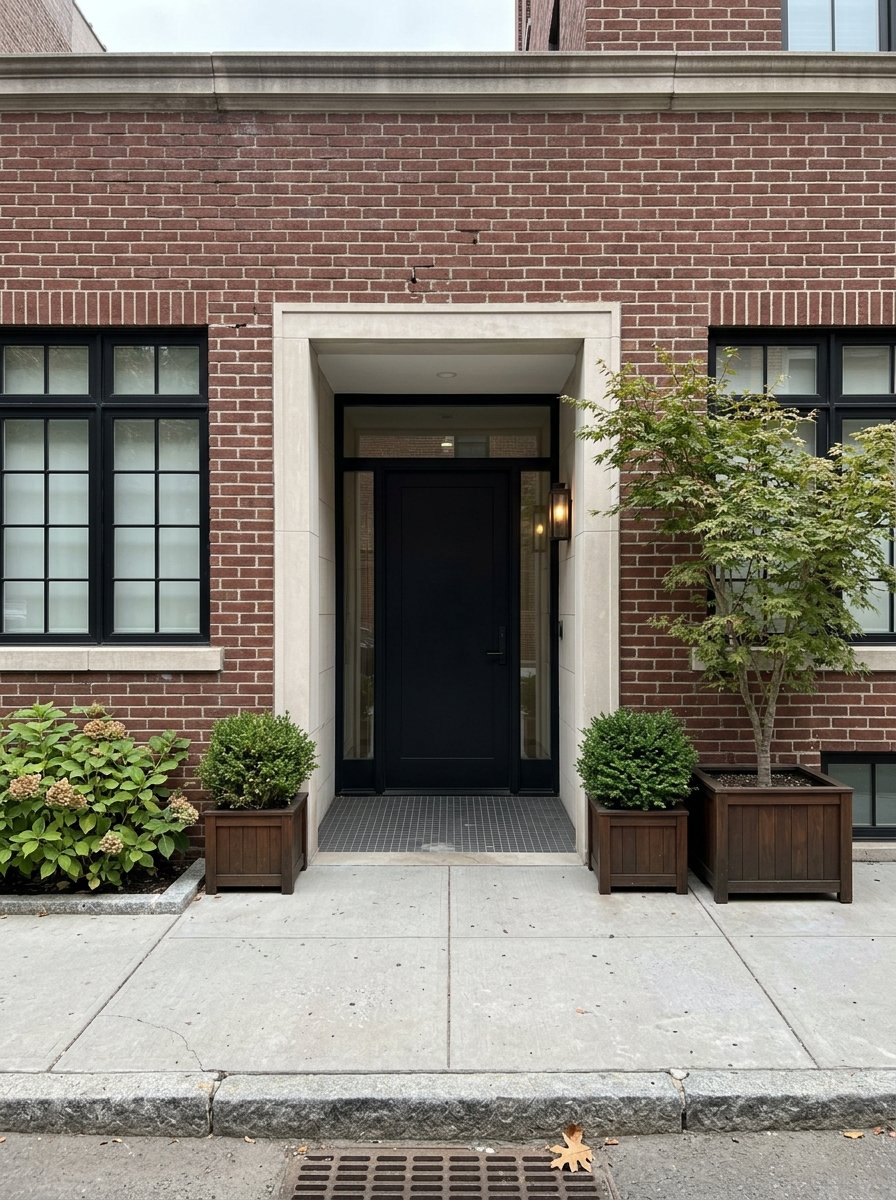
Refresh curb appeal early
Spring selling starts at the curb, even when the yard has not fully greened up. NAR identifies curb appeal as one of the top recommendations sellers receive before listing, and that is especially relevant in late winter and early spring.
In Wellesley, your exterior may be dealing with leftover winter residue, dormant landscaping, and weathered entry details. That does not mean you need a full landscape redesign. It means you should treat the outside of the home as part of your listing strategy.
Focus on simple, high-visibility updates such as:
- Cleaning walkways and front steps
- Washing the front door or repainting if needed
- Replacing tired seasonal elements
- Tidying beds and edging where weather allows
- Clearing debris from exterior surfaces
- Making sure house numbers, lighting, and hardware are clean and functional
Because March and April weather can be inconsistent, it helps to do exterior work as early as conditions allow instead of hoping for a perfect week right before launch.
Plan your prep in the right order
If the process feels overwhelming, simplify it into a sequence. Based on the timing, staging, and inspection guidance in the research, the most effective path is usually the most orderly one.
A simple spring prep timeline
- Declutter and depersonalize so the home feels more open.
- Deep clean to create a strong baseline.
- Complete a pre-list inspection or contractor walk-through to spot issues early.
- Handle repairs and touch-ups before marketing begins.
- Refresh curb appeal and front-entry presentation.
- Stage key spaces for photos and showings.
- Launch with polished photography and a pricing strategy that fits current demand.
This sequence helps you avoid paying for photos too early, staging around unfinished work, or scrambling when the market window is already opening.
Condition matters as much as timing
There is always a lot of attention on the best week to list, and timing does matter. But timing alone does not carry a home across the finish line.
Realtor.com notes in its 2026 best time to sell report that the Northeast remains undersupplied and that a well-priced, move-in-ready home can still sell successfully even if it misses the exact best week. For Wellesley sellers, that is an important reminder.
The best strategy is not simply to list fast. It is to launch when your home shows well, photographs well, and supports your asking price with confidence.
When you are preparing your Wellesley home for a spring sale, a clear plan can make the process smoother and more effective. If you want thoughtful guidance on timing, pricing, presentation, and next steps, Gathers Realty Group is here to help you build a strategy that fits your home and your goals.
FAQs
When should you start preparing a Wellesley home for a spring sale?
- If you hope to list in early or mid-spring, it is wise to start in late winter so you have time for decluttering, repairs, staging, and photography.
What preparation steps matter most before listing a Wellesley home?
- The highest-impact steps are usually decluttering, deep cleaning, targeted repairs, curb appeal work, and staging key rooms like the living room, primary bedroom, and kitchen.
Is staging worth it for a Wellesley spring listing?
- NAR data shows staging can help buyers picture themselves in the home, support faster sales, and in some cases improve sale price, so it is often worth considering strategically.
Should you get a pre-list inspection before selling a Wellesley home?
- A pre-list inspection is optional, but it can uncover issues early, reduce surprise negotiations, and help you make more informed pricing and repair decisions.
Does the exact week you list a Wellesley home matter most?
- Timing helps, but condition and presentation matter just as much, and a well-prepared, well-priced home can still perform strongly even if it does not hit the exact peak week.