Trying to choose between West Natick and Natick Center can feel like splitting hairs. Both offer access to the MBTA commuter rail, strong town services, and a convenient MetroWest location. The difference comes down to your day-to-day rhythm: walkable downtown energy or quieter suburban space. In this guide, you’ll compare housing types, commute options, walkability, and lifestyle so you can pick the fit that aligns with your goals. Let’s dive in.
What defines each area
Natick Center is the traditional downtown core around the Common and the Natick Center station. You’ll find civic buildings, the library, cultural venues, restaurants, and shops in a compact, walkable area.
West Natick sits west of downtown and reads as more residential and suburban. Boundaries can vary by who you ask, but most people mean the neighborhoods that orbit the West Natick station and extend toward Route 9 and beyond.
Housing and zoning at a glance
Natick Center homes
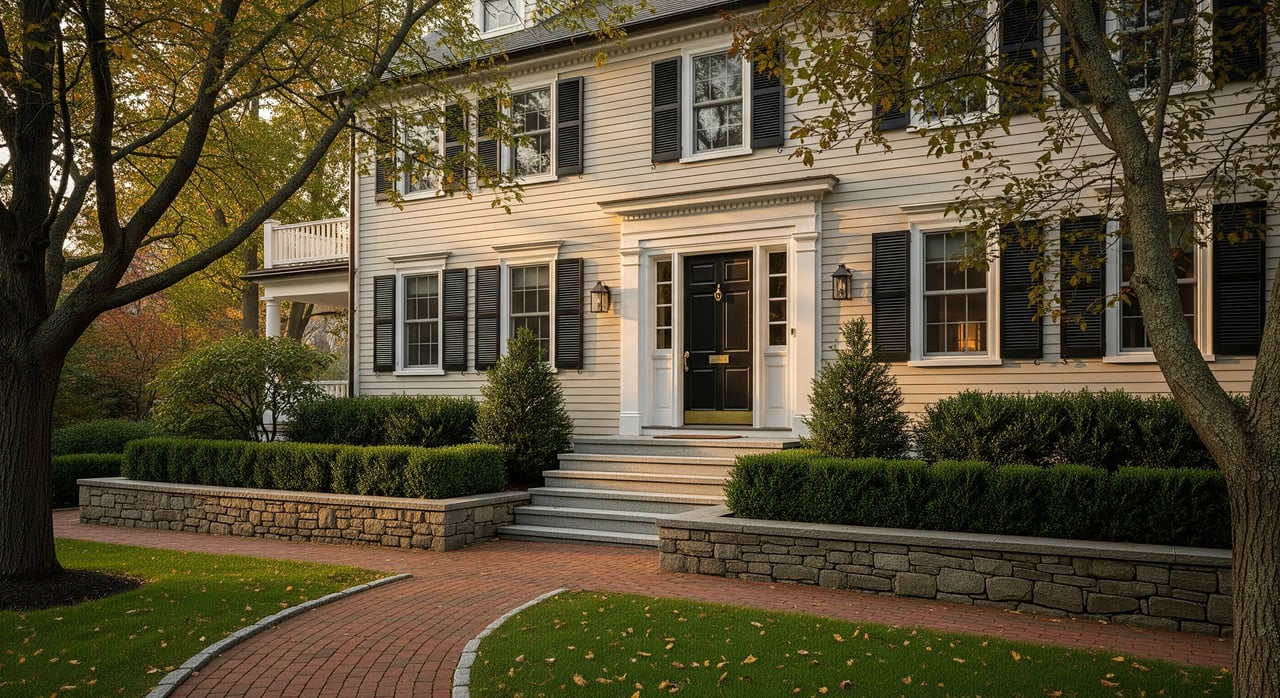
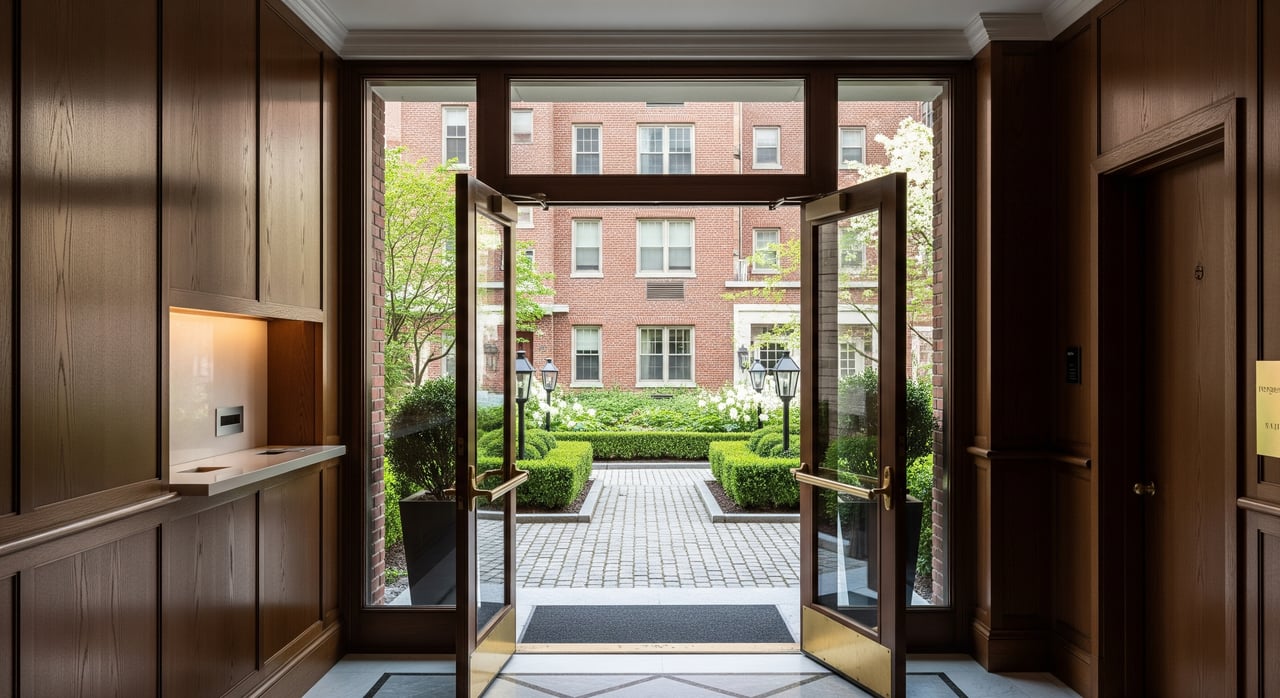
In and around the center, you’ll see a higher share of multi-family buildings, condos, and smaller-lot single-family homes. Many streets feature older housing stock, including Victorian and early 20th-century homes, plus adaptive-reuse and newer mixed-use buildings near the station. Lots tend to be smaller, and the layout supports a more walkable pattern.
Zoning near the core allows higher density and mixed-use, which is why you’ll notice residential above retail and newer infill near the train. Buyers who want short errands on foot and easy access to dining and cultural events often start here.
West Natick homes
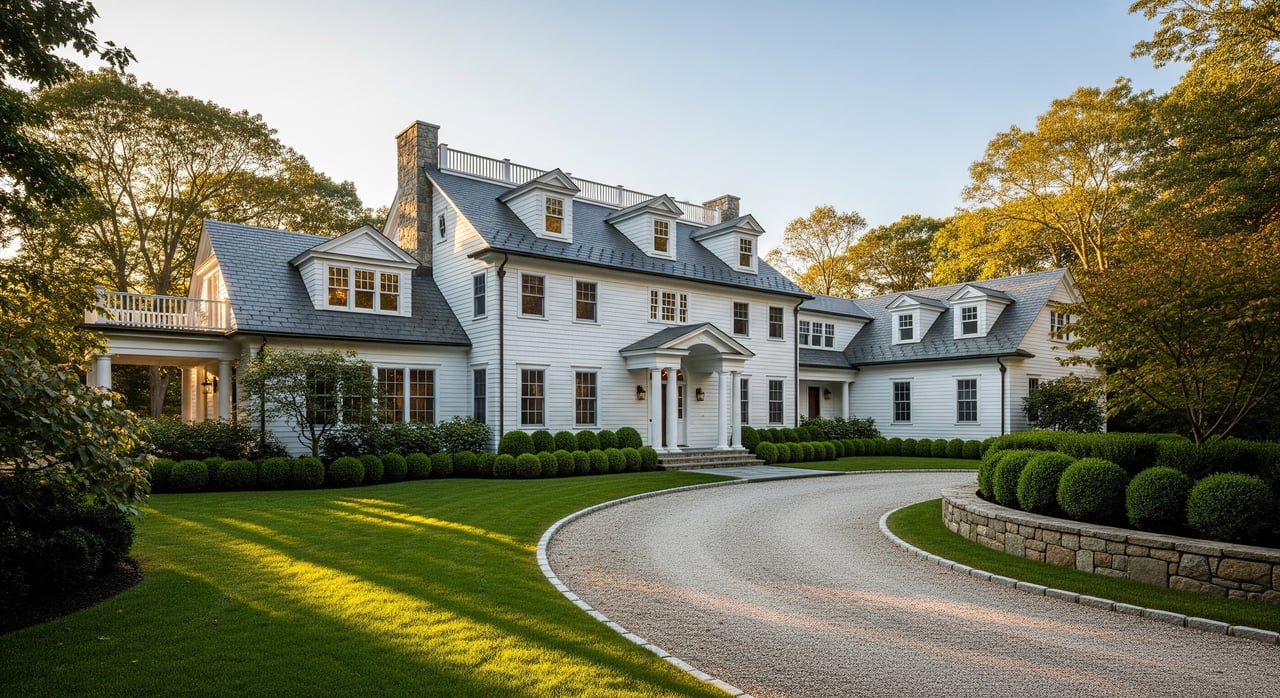
West Natick is predominantly single-family, with many mid-20th-century ranches, splits, and Colonials. You’ll also find later subdivisions, occasional new construction, and some townhouse or condo pockets. Lots are typically larger, with more private outdoor space and a quieter street feel.
Zoning is primarily residential single-family, so you’ll see fewer mixed-use developments. This setup appeals if you want more space, straightforward driveway or garage parking, and a suburban pace.
Inventory and pricing dynamics
Downtown generally offers more small-footprint units and condos, which can mean lower absolute entry price but higher price per square foot and strong demand for commuter-friendly locations. West Natick typically offers more single-family options on larger lots, with availability that can vary based on age and renovation cycles. For current prices, days on market, and inventory, review your MLS feed and recent comps before touring.
Transit and commute comparison
MBTA to Boston: both stations work
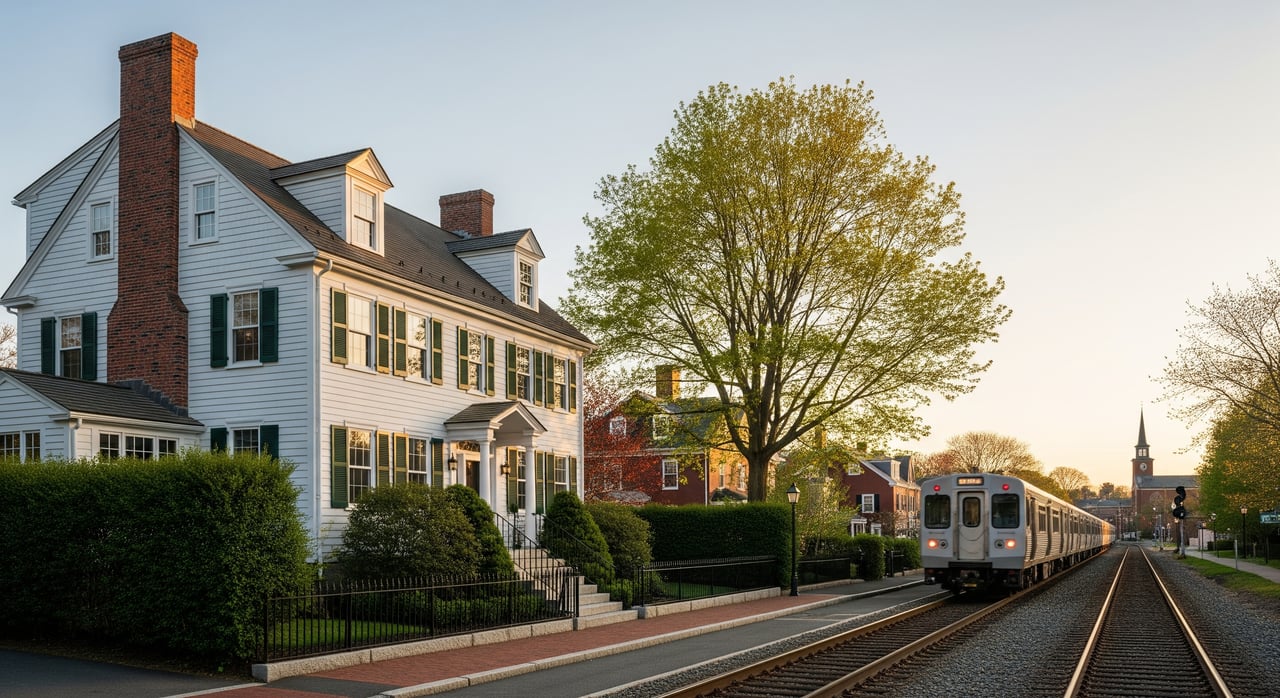
Both West Natick and Natick Center are on the MBTA Framingham/Worcester Line with direct trains to Back Bay and South Station. Schedules, express patterns, and exact travel times vary by train and time of day. Check the latest on the Framingham/Worcester Line timetable to see which departure fits your commute.
Walkability to stations
If being on foot is a priority, Natick Center concentrates the station and everyday amenities in one walkable hub. West Natick’s lower density means many homes are a drive or bike ride from the station rather than a quick walk. For a specific address, map the route and time the walk; assess sidewalks, lighting, and crossings along the way.
Parking and the first or last mile
Commuter-rail parking can be a deciding factor if you plan to drive. Policies and availability differ by station and can shift during peak periods or special events. Review the latest details on MBTA parking, and visit the lots in person during your typical departure time to gauge real-world space, lighting, and flows.
Planning ahead for service changes
The MBTA and regional planners periodically update service and station infrastructure, which can affect long-term convenience and demand. Keep an eye on current initiatives on the MBTA Projects page and weigh any potential changes with your agent when considering long-term value.
Lifestyle and amenities
Natick Center: culture and convenience
Downtown offers a high concentration of shops, restaurants, cafes, and community spaces, plus the town’s main library and civic buildings. Cultural programming and events are frequent in and around the Common and the arts district. Explore the event calendar and neighborhood feel through the Natick Center Cultural District to see how it matches your interests.
West Natick: space and quieter streets
In West Natick, many daily needs are a short drive away, and most errands happen by car instead of on foot. You’ll often find larger yards, a calmer street pattern, and nearby access to suburban parks and open spaces. If weekend yard time, grilling, and a slower neighborhood cadence matter, this side of town may feel like home.
How to choose: a simple framework
Start by ranking what matters most to you:
- Walkability to train and amenities vs larger private lot and driveway parking
- Condo and small-footprint options vs single-family homes and room to expand
- Night and weekend activity near the Common vs quieter, residential streets
- Predictable rail schedule match vs drive-and-park convenience at the station
- Proximity to cultural events vs proximity to larger yards and open space
Use these priorities to focus your tour list and make side-by-side comparisons.
Touring checklist for smarter decisions
Do your homework first
- Pull the latest MBTA Framingham/Worcester schedule for both stations, including first and last trains that fit your routine.
- Note current parking details using the MBTA parking page.
- Review recent comps and active inventory that match your budget and criteria.
- Confirm school assignments for target addresses on Natick Public Schools.
- Use Walk Score and mapping tools to measure walk times to the station, grocery, and key amenities.
Test the experience in person
- Time the walk from the property to the station and back, including crossings and lighting.
- Drive your commute during peak hours to and from the station and to regular destinations.
- Visit both areas at weekday morning, weekday evening, and weekend midday to assess noise, traffic, and parking.
- Inspect station lots for capacity, lighting, signage, and bike racks. Note shelter quality and crowds.
- Confirm grocery, pharmacy, coffee, and dining are truly walkable or a short drive based on your preference.
- Check property-specific items: yard size, exposure to through-traffic, proximity to arterials, and potential nearby development.
Ask the right questions
- Are there planned developments, zoning updates, or infrastructure projects near the property or station?
- How stable and available is station parking, and are there permits or fees?
- For condos or HOAs, what are the fees, reserves, and parking rules?
- For older homes, what upgrades were completed, and are there area-wide considerations such as drainage?
Resale and investment considerations
Homes near transit and downtown amenities often benefit from consistent demand, especially for buyers who prize convenience. In West Natick, single-family homes on larger lots can attract buyers seeking space and privacy, which also supports steady interest. Your best guide is recent, nearby comps that match property type and condition; align these with your timeline and improvement plans to estimate long-term value.
Next steps
If you are torn between the energy of Natick Center and the breathing room of West Natick, a tailored tour can make the choice clear. We can help you compare address-level walkability, time real train options, and weigh housing tradeoffs supported by recent comps. Schedule a neighborhood-focused consult with Gathers Realty Group to build a plan that fits your goals.
FAQs
Which Natick station offers the faster commute to Boston?
- It depends on the specific train; check the latest Framingham/Worcester timetable for departure times, express patterns, and total travel time.
Are condos more common in Natick Center compared with West Natick?
- Yes, Natick Center typically has more condos and multi-family options, while West Natick has a higher share of single-family homes on larger lots.
How reliable is commuter-rail parking at West Natick and Natick Center?
- Availability varies by time and season; verify current policies and lot details on the MBTA parking page and visit during your typical departure time.
How should I approach school placement when buying in Natick?
- School assignments depend on the property’s address; review boundary details and programs directly on Natick Public Schools before making decisions.
How does resale potential compare between West Natick and Natick Center?
- Proximity to transit and downtown often supports demand in Natick Center, while West Natick’s single-family homes and larger lots hold their own appeal; rely on recent comps to evaluate a specific property’s outlook.